
Engine Care Goes Deeper Than Oil Changes: What Albuquerque Drivers Should Know
April 9, 2026
Tire Rotation and Alignment: The Math That Saves Albuquerque Drivers the Most Money
April 21, 2026Your truck's safety systems are smarter than ever. Forward collision warning, blind spot monitoring, lane departure alerts, adaptive cruise control: these aren't luxury features anymore. They're standard equipment on most vehicles built in the last five to seven years. But here's what most Albuquerque drivers don't realize. Every one of those systems depends on sensors that are precisely aimed, and a surprising number of ordinary events can throw that aim off without triggering a single warning light on your dash.
- ADAS sensors require exact calibration to function correctly, and even minor physical disruptions can create dangerous blind spots in your safety coverage
- Six common, everyday events can knock sensors out of alignment, and most drivers never realize it happened
- Professional recalibration using manufacturer-spec equipment is the only way to restore proper sensor aim after a disruption
Think your sensors might be off? We calibrate ADAS with Autel manufacturer-spec equipment.
(505) 899-2400 | christiansautomotive.comWhat ADAS Calibration Actually Means
Think of it this way. A traditional wheel alignment keeps your tires pointed in the right direction so your truck tracks straight down I-25. ADAS calibration does the same thing for your safety sensors. The forward-facing camera behind your windshield, the radar module in your grille, the blind spot sensors in your rear bumper corners: each one has a precise field of view that was set at the factory. When that aim shifts, the sensor still works. It just works wrong. Your adaptive cruise control might not register the car ahead of you until it's too close. Your blind spot monitor might miss a vehicle in the next lane entirely. The system doesn't know it's looking in the wrong place, so it doesn't tell you there's a problem.
Modern trucks and SUVs can carry six or more individual sensors, each one responsible for specific safety functions. A single misaligned sensor can compromise multiple systems at once, creating gaps in coverage that the driver has no way to detect from behind the wheel.
The Six Most Common Calibration Triggers
What surprises most people is how ordinary these events are. None of them require a major accident or catastrophic failure. They're the kinds of things that happen in any Albuquerque parking lot, on any stretch of I-40, or in any driveway where someone's upgrading their ride.
Fender Benders and Minor Collisions
Even a low-speed parking lot bump can shift the radar module behind your front bumper fascia or knock a blind spot sensor out of position. The body damage might be cosmetic, barely worth an insurance claim, but the sensor behind that bumper cover has moved. Your forward collision warning and adaptive cruise control are now reading the road at an angle. After any front or rear impact, even if the damage looks minor, calibration should be part of the repair.
Windshield Replacement
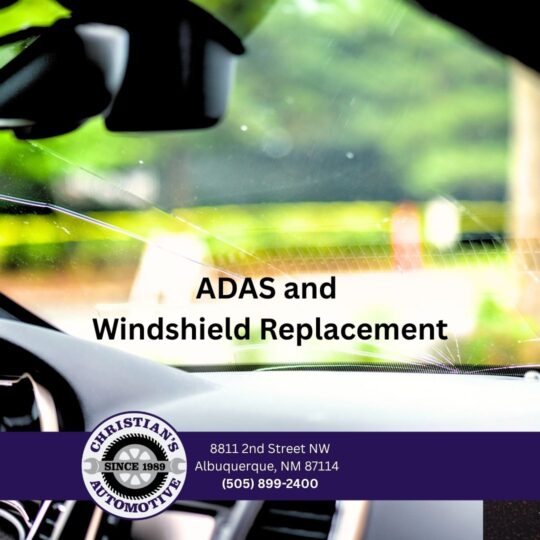
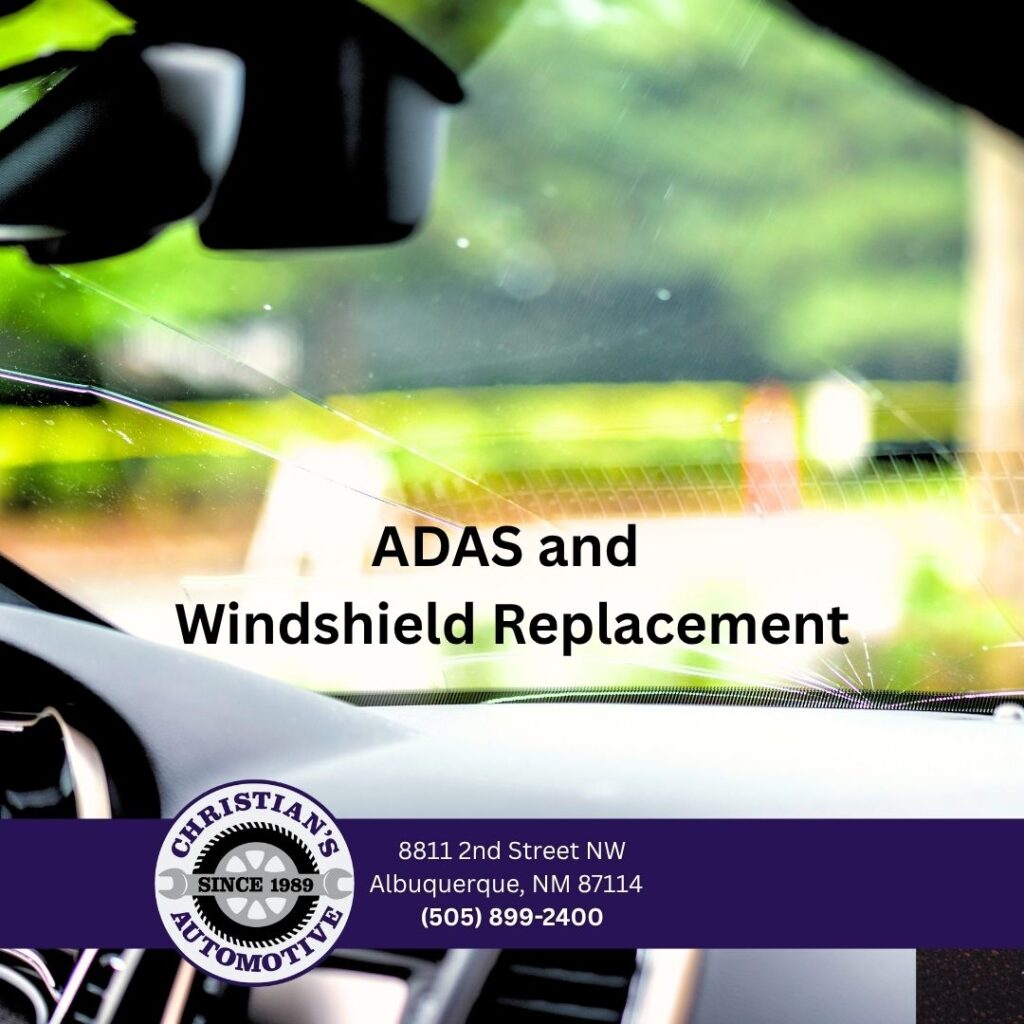
This one catches people off guard. The forward-facing camera that powers your lane departure warning, traffic sign recognition, and forward collision alert is mounted directly behind the windshield glass. When that glass comes out, even for a simple rock chip replacement, the camera's mounting position changes. A new windshield might sit a fraction of a millimeter differently than the original. That's enough. Without recalibration, your most critical forward-looking safety systems are guessing instead of measuring.
Suspension Lifts and Leveling Kits
This is a big one for Albuquerque's truck community. A suspension lift raises the entire vehicle body, which means every sensor on the truck is now sitting higher than the factory intended. The sensors don't tilt sideways. They stay pointed straight ahead. But "straight ahead" from three inches higher means your radar and cameras are effectively looking over the tops of other vehicles instead of at them. Every sensor's effective range drops because they're aimed above the road-level targets they were designed to detect. The lift looks great. The sensors are staring at the sky.
Mud, Debris, and Sensor Obstruction
Monsoon season in the Rio Grande Valley means arroyos running, mud splashing, and road debris getting kicked up onto bumpers and tailgates. When mud or debris covers a camera lens or ultrasonic sensor face, the system doesn't just get fuzzy. It goes blind. Your backup camera, front parking sensors, and forward camera can all be blocked at once. Most drivers think a quick car wash solves it, and it does clear the obstruction. But repeated heavy buildup can also shift sensor positions over time, so a visual check after cleaning is always worth the effort.
Pothole and Road Hazard Impact
Here's the subtle one. You hit a pothole hard on Paseo del Norte or catch a curb pulling into a parking spot. No visible body damage. Maybe the wheel alignment feels slightly off. But that impact traveled through the suspension and frame to the sensor mounting brackets. The radar behind your grille might have shifted a few degrees. Your blind spot sensor might have tweaked on its mount. The problem is invisible. There's no body damage to trigger an inspection and no dashboard warning to prompt a visit. The sensors just quietly start missing things.
Tire Size Changes and Wheel Modifications
Upgrading to larger tires or aftermarket wheels changes the geometric relationship between your sensors and the road surface. The vehicle's ride height changes, the speedometer calibration shifts, and the ADAS sensors that were factory-calibrated for the original tire diameter are now operating with incorrect assumptions about where the road is relative to the truck. Like a suspension lift, this doesn't skew sensors sideways. It changes their effective vertical aim, reducing coverage range across every system.
Why This Matters More Than You Think
The common thread across all six scenarios is that none of them announce themselves. There's no check engine light for a misaligned radar. No warning chime for a camera that's pointed two degrees too far left. Your truck drives normally. Your dash looks clean. But the safety net you're counting on has holes in it. That's why professional calibration using manufacturer-specification equipment matters. At Christian's Automotive, we use Autel ADAS calibration systems that reference the same parameters the factory used when your truck rolled off the assembly line. The process remaps every sensor to its correct field of view, restoring the full coverage your safety systems were designed to provide.
Over the coming weeks, we'll be publishing detailed deep-dive articles on each of these six calibration triggers, including what specifically happens to your sensors, which safety systems are affected, and what the recalibration process involves. If any of these scenarios sound familiar, don't wait for the series to wrap up. Give us a call and let's make sure your truck's safety systems are seeing what they should be.
Christian's Automotive and Tire
8811 2nd Street NW
Albuquerque, NM 87114
(505) 899-2400
christiansautomotive.com