ADAS Calibration in Albuquerque
Picture this: you recently had a minor fender-bender or a windshield replacement, and now your car’s advanced safety features, like lane departure warnings or automatic braking, are acting up or giving error messages. It’s a common problem. Modern vehicles rely on Advanced Driver Assistance Systems (ADAS) sensors and cameras to keep you safe. If those sensors are even slightly out of alignment, these life-saving features might fail to work when it counts or trigger false alarms. At Christian’s Automotive in Albuquerque, we have the solution: professional ADAS calibration to realign and reset your vehicle’s safety systems to perfect working order. We’ll make sure your car’s high-tech safety features are accurate, reliable, and ready to protect you on the road.
(505) 899-2400
Why Proper ADAS Calibration Matters for Your Safety
ADAS includes features like forward collision warnings, automatic emergency braking (AEB), lane-keeping assist, blind spot monitoring, adaptive cruise control, and more. These systems use cameras, radar, and other sensors to monitor the road and help prevent accidents. Crucially, ADAS sensors require precise calibration: being off by even a fraction of an inch or a single degree can cause the system to “look” in the wrong place. At highway speeds, that tiny misalignment could mean the difference between your car spotting a hazard in time or missing it entirely. In fact, the Insurance Institute for Highway Safety (IIHS) found that vehicles equipped with forward collision warning and AEB have about 50% fewer rear-end crashes compared to similar vehicles without these features. But that safety advantage only holds if the ADAS sensors are properly calibrated and functioning correctly.
When ADAS calibration is done right, your car’s safety features perform just as the manufacturer intended, which can literally save lives. In controlled tests, a car with properly calibrated AEB and collision warning systems consistently alerted the driver and avoided crashes, whereas an uncalibrated system failed to engage the brakes at all, resulting in a collision. It’s dangerous to assume your ADAS features are working if the sensors are misaligned; you might not realize anything is wrong until the system fails to warn or act during a critical moment. Poor or outdated calibration can also create “false alarms”. For example, your car might slam the brakes or beep warnings for no reason, which causes many drivers to lose trust and shut these systems off. In short, accurate calibration is essential for ADAS to do its job: protecting you and your family on the road.
Moreover, maintaining ADAS calibration isn’t just about safety; it’s also increasingly tied to legal and insurance requirements. Driving with a misaligned safety system could raise liability questions if an accident occurs, and insurance companies are increasingly requiring proof that ADAS was recalibrated after repairs. (In fact, skipping a needed calibration after an accident or windshield replacement might even lead to an insurer denying a claim.) The bottom line: ADAS calibration is not a luxury; it’s a necessity for ensuring your vehicle’s safety features work properly and for keeping your coverage and warranties intact. We’re here to make that process easy and effective for you.
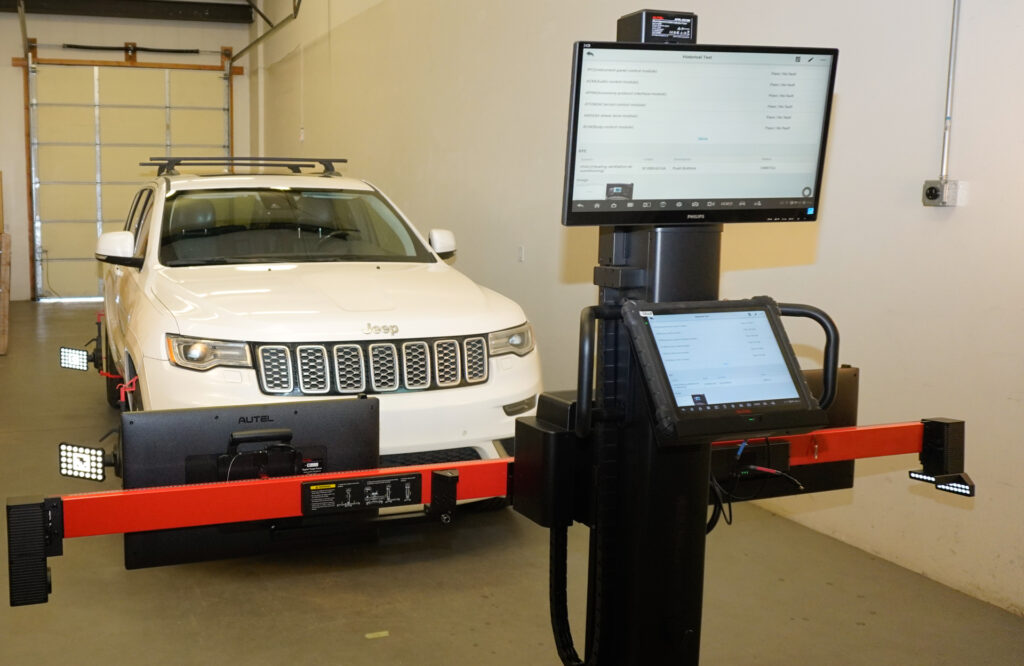
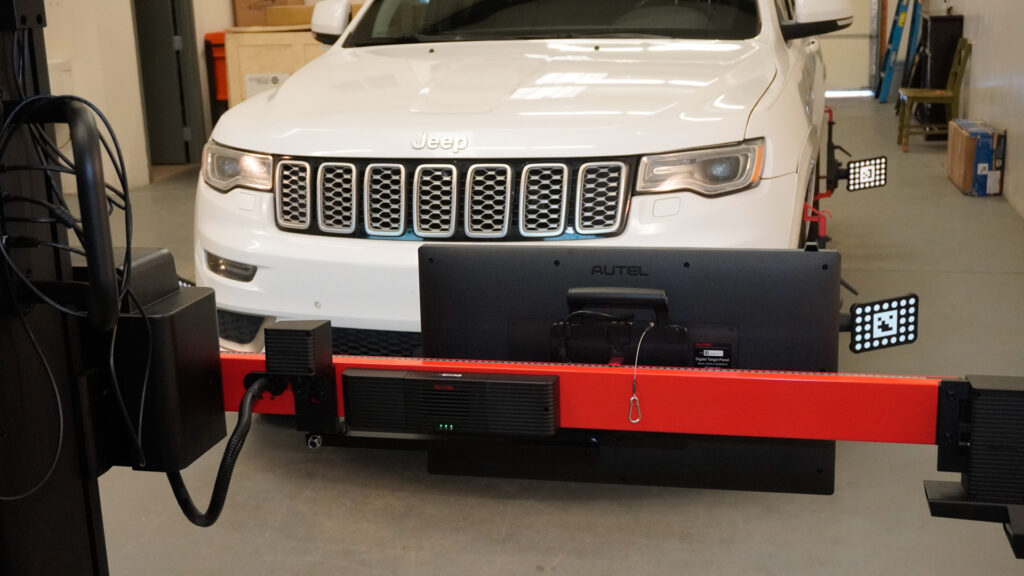
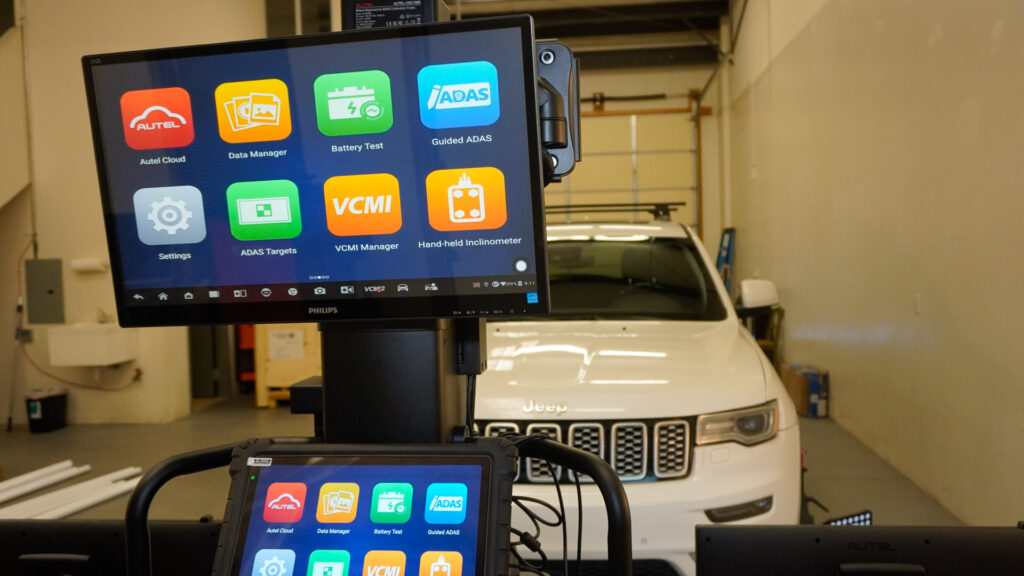
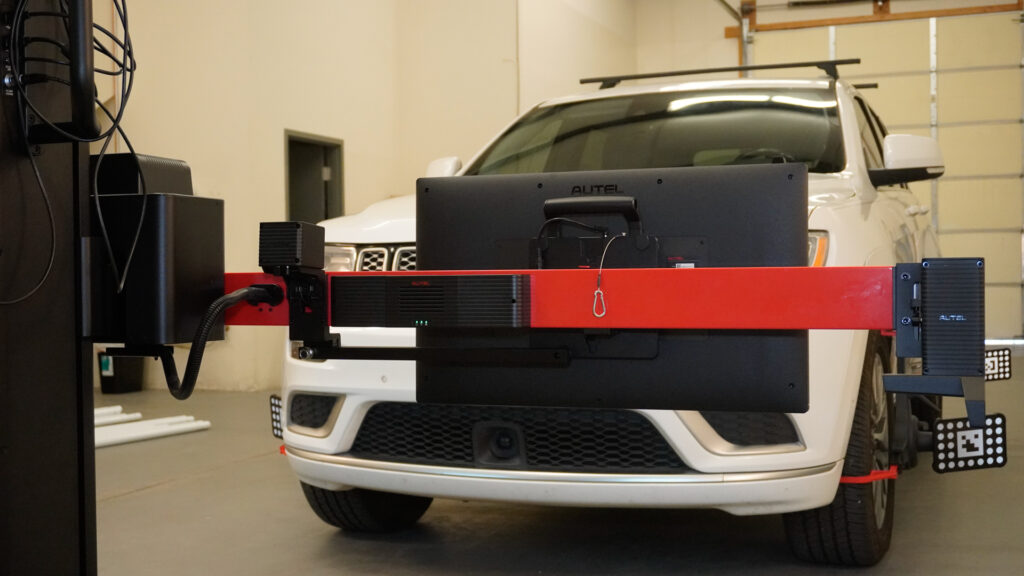
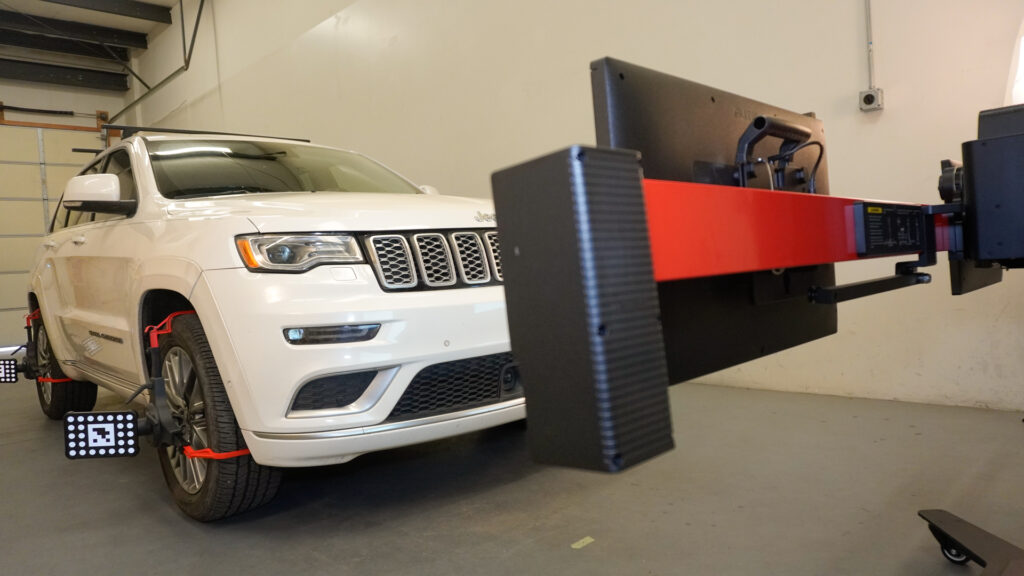
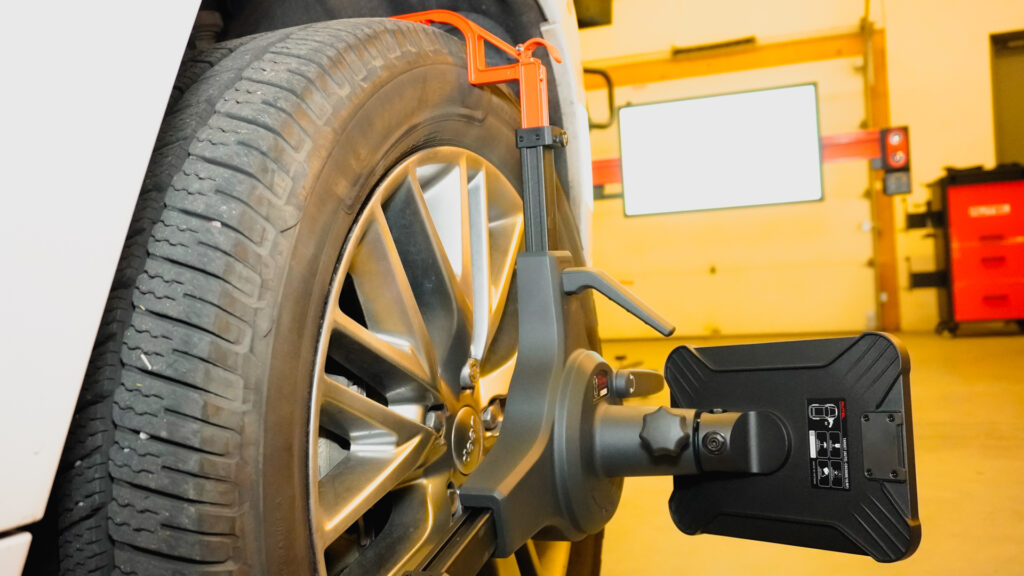
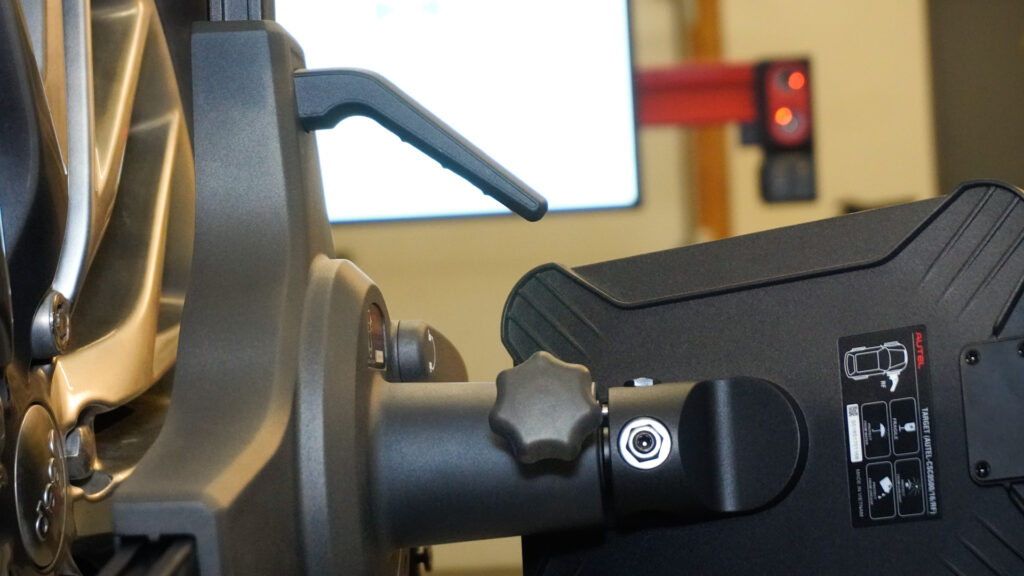
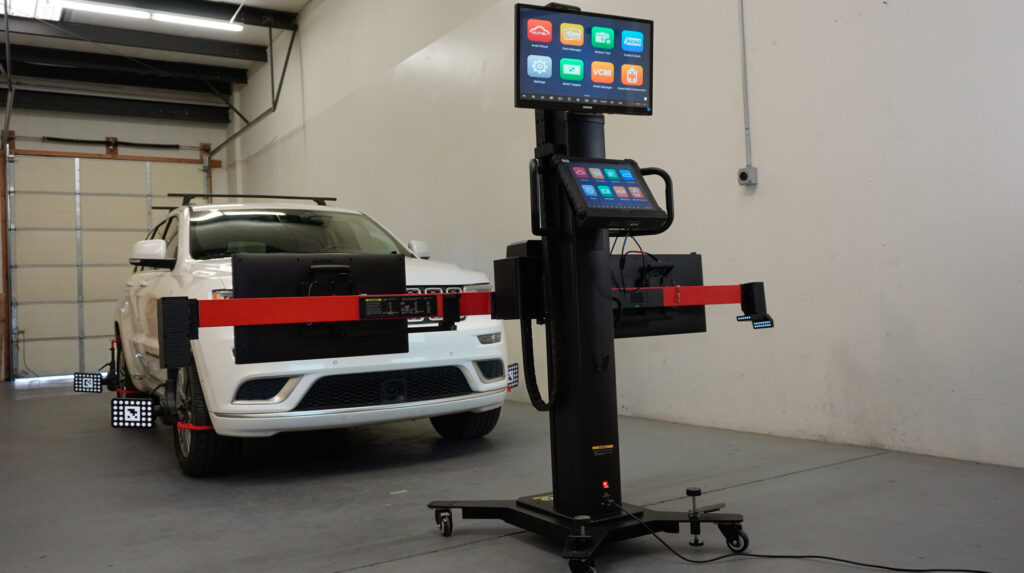
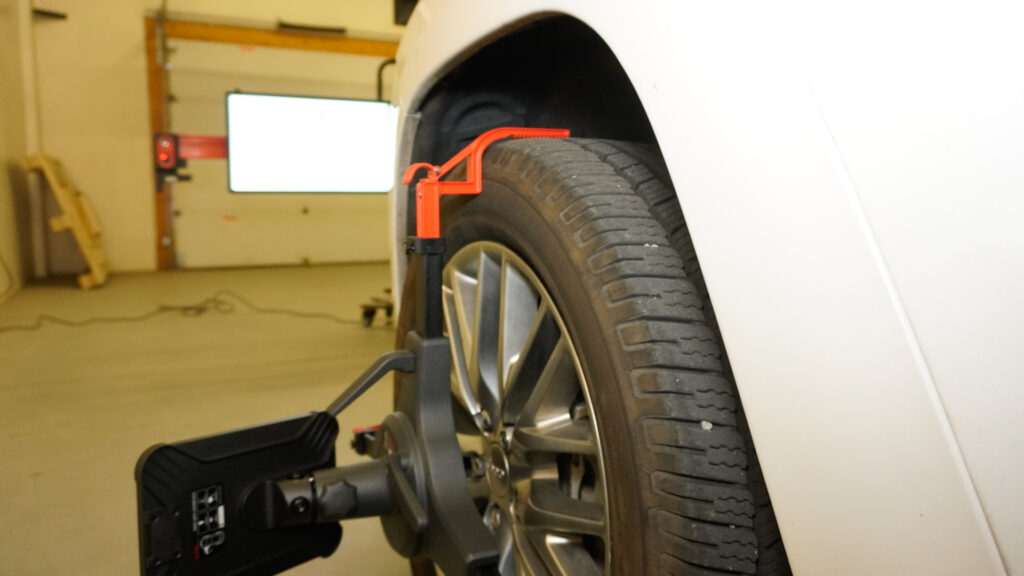
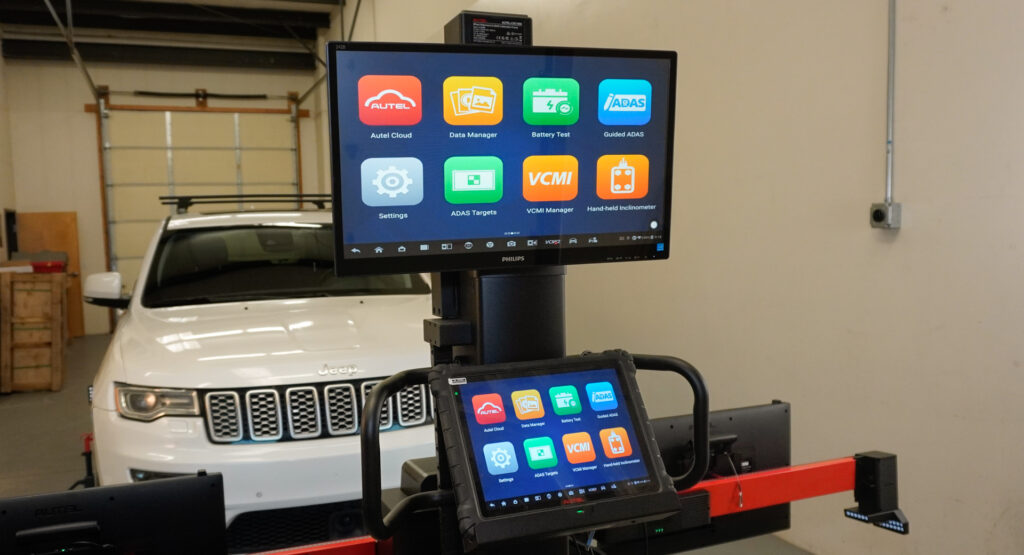
Think your sensors might be off? We calibrate ADAS with Autel manufacturer-spec equipment.
(505) 899-2400 | christiansautomotive.comWhen Does Your Car Need ADAS Calibration?
How do you know if your vehicle requires an ADAS recalibration? Generally, any time something happens that could shift, replace, or impair an ADAS camera or sensor, a calibration should be performed. Many drivers are surprised to learn how common these situations are. Below are the most common scenarios in which you should get your ADAS checked and recalibrated:
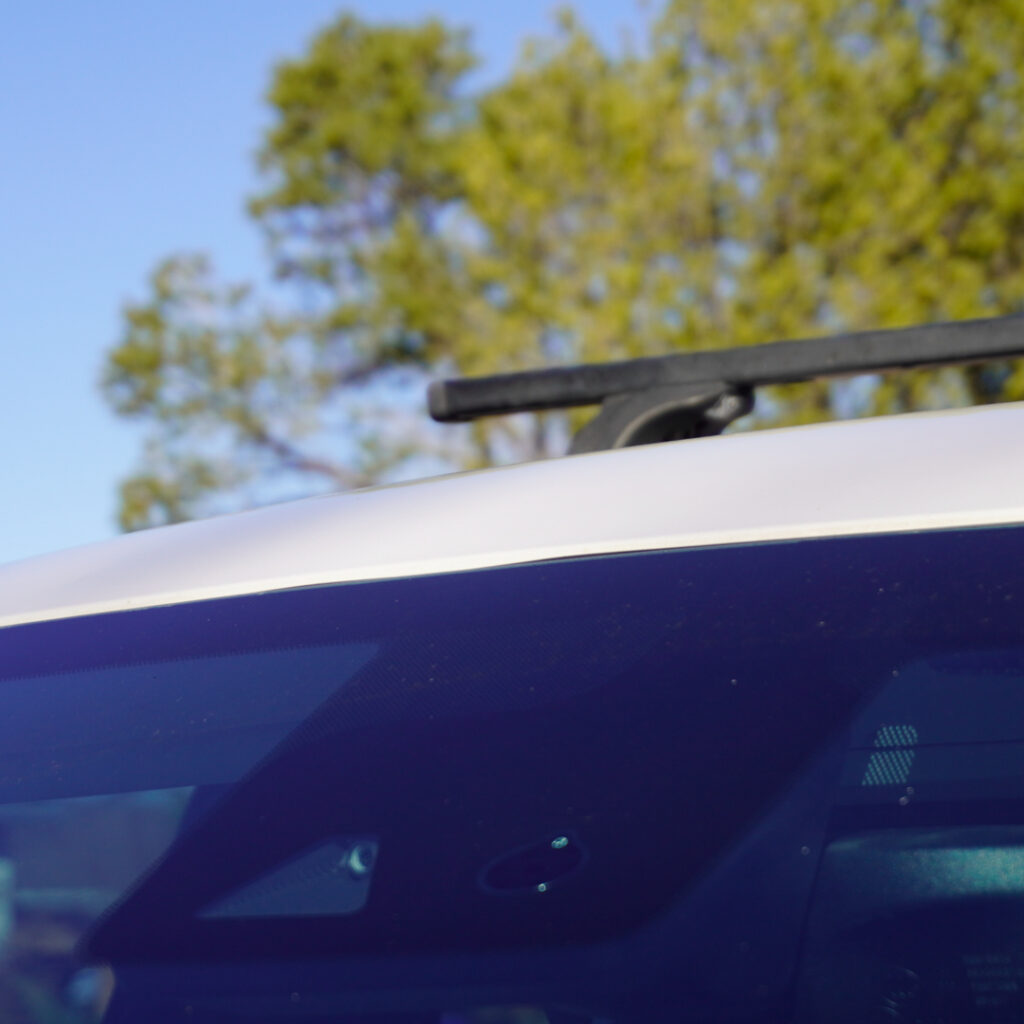
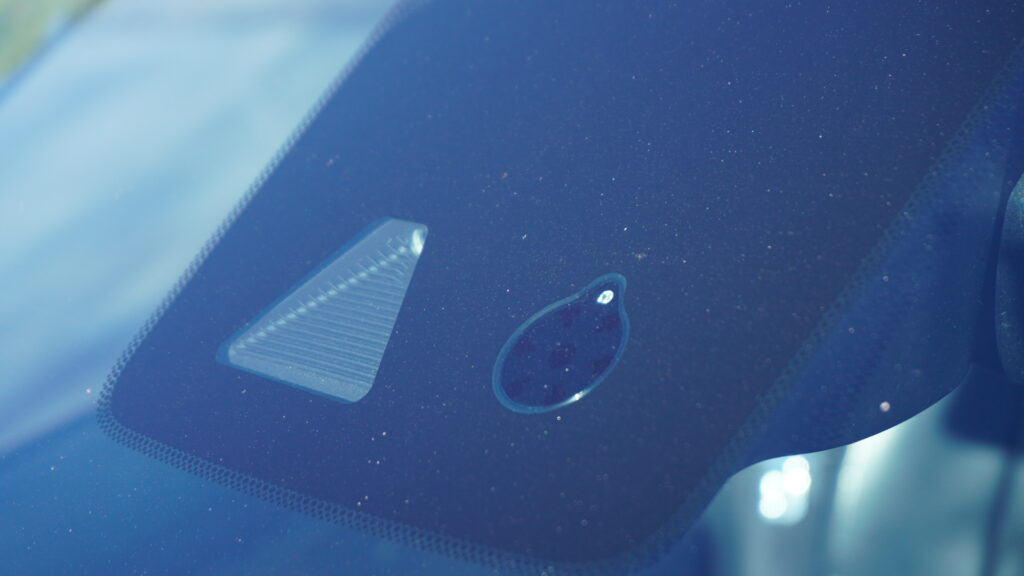
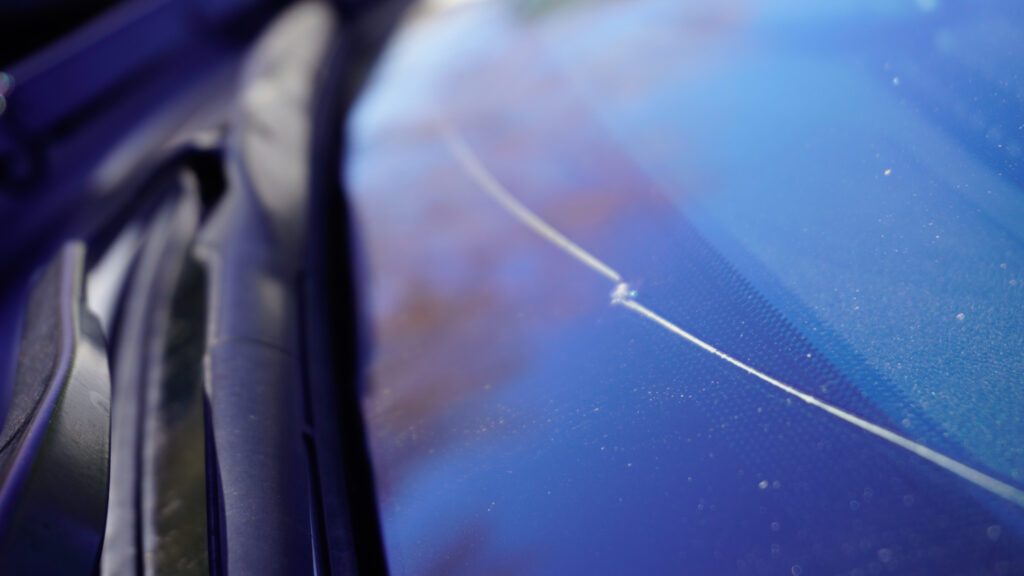
After a Windshield Replacement: This is one of the #1 triggers for ADAS recalibration. Most modern cars have cameras and sensors mounted near the windshield (often behind the rear-view mirror). When a windshield is removed and replaced, even a slight change in the camera’s position or angle can throw off the entire ADAS system. In fact, nearly all vehicle manufacturers now require recalibrating the forward-facing camera after installing a new windshield. Don’t skip this step; it ensures features like lane keeping and automatic braking continue to work correctly.
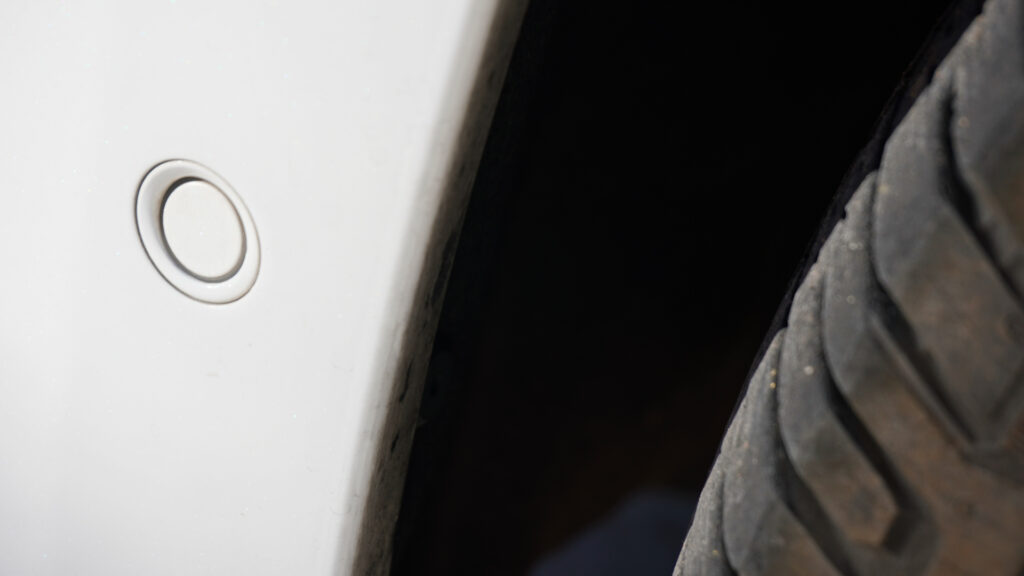
After a Collision or Body Repair: Even a minor fender-bender can knock ADAS sensors out of alignment. Bumpers, grilles, and side mirrors often house radar or ultrasonic sensors; a parking lot tap or curb impact might shift their calibration. If your car has been in an accident, big or small, or you’ve had body panels with sensors repaired/replaced, ADAS recalibration is necessary. The sensitive nature of these systems means that what looks like insignificant damage can still compromise a sensor’s aim. It’s always better to err on the side of caution and have us check your ADAS after any collision or airbag deployment.
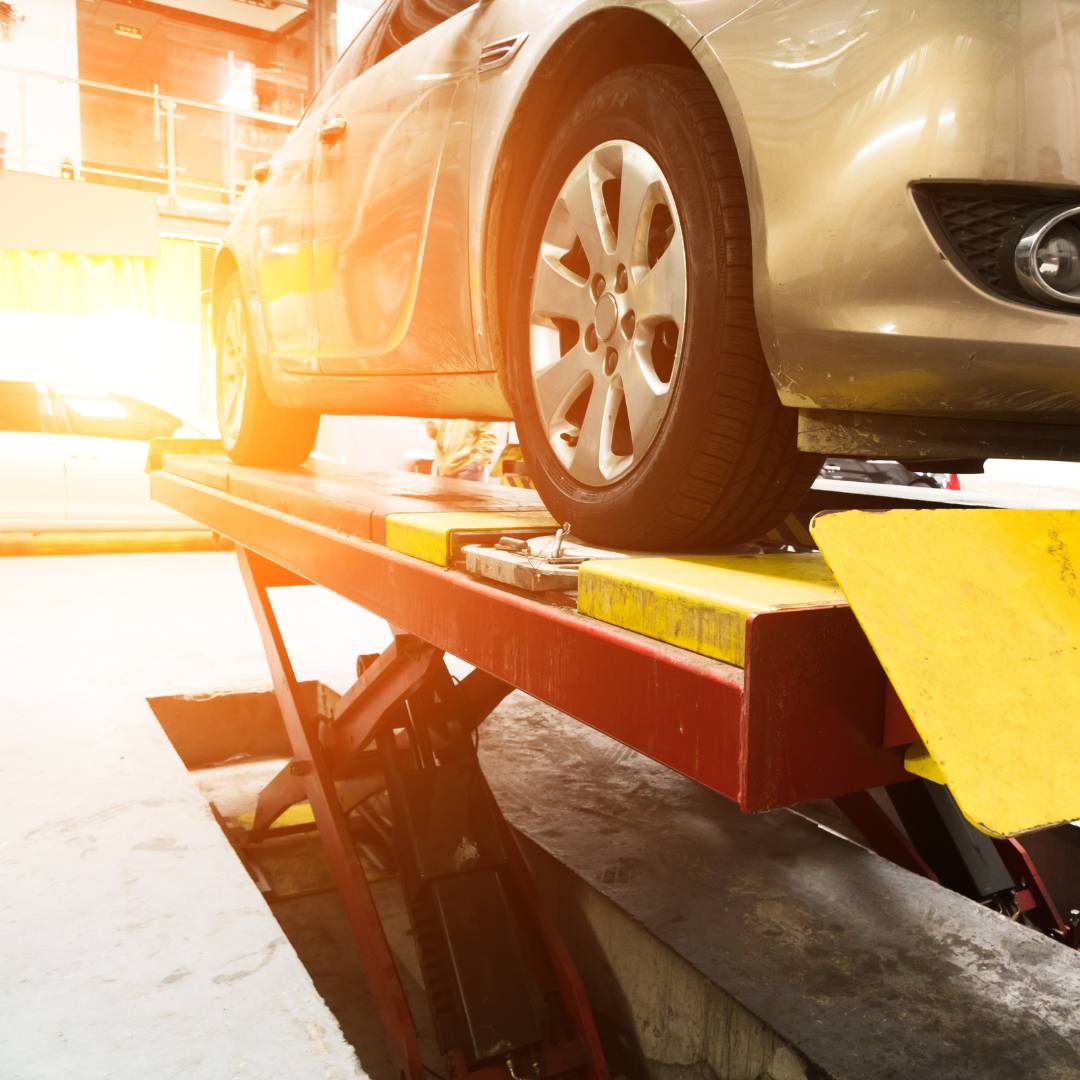
After Suspension, Alignment or Tire Changes: Did you get a wheel alignment, new tires of a different size, or any suspension work (shocks, struts, etc.)? It may surprise you, but these changes can affect the ADAS sensor angles. Anything that alters the vehicle’s ride height or wheel alignment can change how a forward-facing camera or radar is oriented to the road. For example, raising or lowering the car even slightly, or even a significant alignment adjustment, means the sensors might now be pointing a bit too high, low, or sideways. Manufacturers recommend recalibrating after such services to ensure systems like adaptive cruise control and lane sensors continue to “see” accurately.
When ADAS Warning Lights or Errors Appear: If your dashboard is showing an ADAS-related warning light or message, don’t ignore it. Modern cars often run self-checks on these systems. You might see warnings like “ADAS camera malfunction”, “Lane Departure System Disabled”, “Collision Sensor Error”, or similar. These are clear indicators that a recalibration (or repair) is needed. Even if you don’t see a specific warning, pay attention to behavior: is your lane keep assist suddenly not engaging, or your blind spot warning acting erratically? These can be signs the system is out of sync. Our team can diagnose and recalibrate to fix these issues.
After Replacing ADAS Sensors or Components: Any time a camera or radar sensor (or its mounting bracket) is removed, replaced, or even just disconnected from power, it will need calibration when reinstalled. This includes scenarios like replacing a side-view mirror (with blind spot radar), changing a front grille (with radar behind it), replacing a bumper, or even removing and re-attaching a sensor for a paint job or windshield repair. Even a new car battery or certain software updates can sometimes require system initialization. The rule of thumb: if an ADAS component’s position has been disturbed, recalibration is required to ensure proper function.
In summary, whenever your vehicle undergoes repairs or changes that touch its advanced safety cameras or sensors, schedule an ADAS calibration. It’s a straightforward step that can make a huge difference in your car’s safety performance. If any of the above situations apply to you, don’t wait: give us a call or use our online appointment scheduler to get your ADAS recalibrated. Driving with misaligned safety systems is risky. Let us get your technology back on track so you can drive with peace of mind.
Our ADAS Calibration Service at Christian’s Automotive
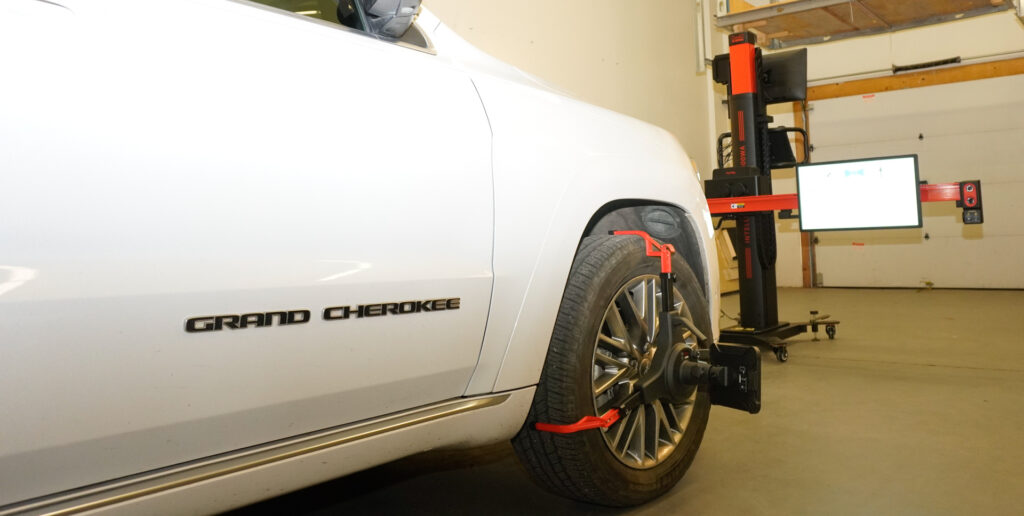
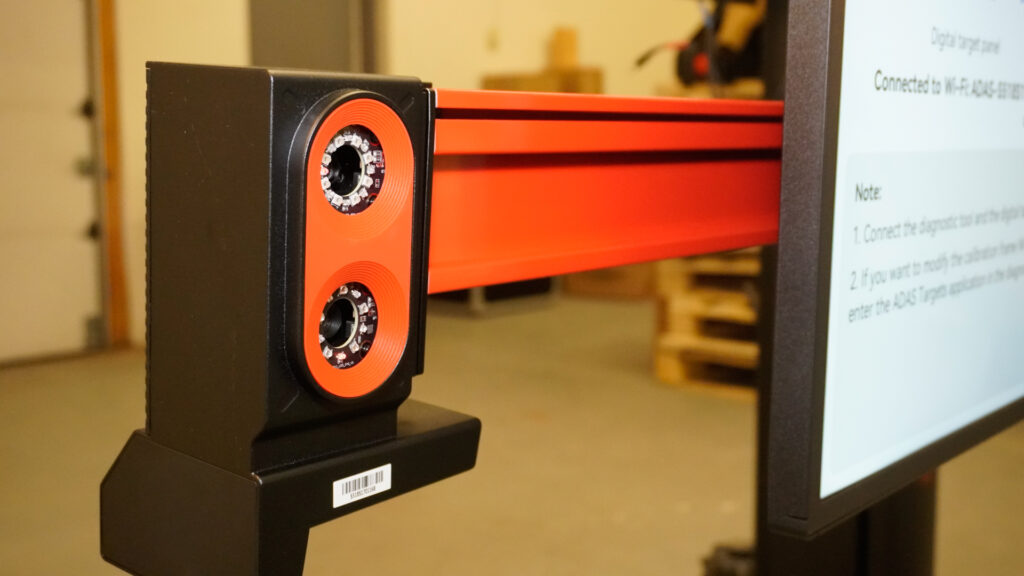
At Christian’s Automotive, we’ve invested in cutting-edge equipment and training to become your ADAS calibration experts in Albuquerque. Our facility is equipped to perform both static calibrations (in our shop using specialized targets and tools) and dynamic calibrations (on-road learning procedures) as required by your vehicle’s manufacturer. For example, many forward-facing cameras need static recalibration using precise targets and measurements in a controlled environment, while some systems also require a test drive so they can calibrate under real-world conditions. We handle both steps seamlessly in one service visit. Our ASE-certified technicians follow OEM-specified procedures to the letter, using the proper targets, laser measurements, and calibration software for your car’s make and model. We ensure that each camera and sensor is aligned to factory standards, restoring your ADAS performance to like-new condition.
Why trust Christian’s Automotive for this specialized service? For one, our team brings decades of experience (we’ve been serving Albuquerque since 1989) combined with up-to-date ADAS training. We understand how critical these systems are. That’s why we maintain a dedicated ADAS calibration bay with level flooring, proper lighting, and high-quality calibration tools, the exact conditions needed for accurate results. We even stay current with manufacturer updates and OEM calibration targets for a wide range of vehicle brands, from domestic trucks to the latest European and Asian imports. In other words, you get dealership-level (or better) service right here at your local shop.
Quality and safety are our top priorities. We know that a “calibration done wrong” is not just pointless; it’s dangerous. (A recent industry study put it bluntly: “Poor calibration introduces dangerous unpredictability… and no calibration results in silent failure”.) That’s why we take the time to do it right the first time. Our technicians will also perform a post-calibration road test or electronic verification to make sure all systems are functioning properly and no fault codes remain. We stand by our work, too: every repair or service we perform is backed by Christian’s industry-leading warranty for your peace of mind. When we hand back your keys, you can be confident your ADAS features are dialed in and ready to respond when it matters most.
Each section of our ADAS service process is also designed with your convenience in mind. We’ll clearly explain what’s needed and why, so you’re never in the dark. If you’re coming in after an accident or windshield replacement, we can coordinate with your insurance as needed (we’ll provide documentation that calibration was completed to satisfy insurance requirements). Our friendly staff can also assist you with a shuttle ride or loaner arrangements while we work on your car, so you’re not stuck waiting. In most cases, an ADAS calibration service is completed within a couple of hours, meaning you’ll be back on the road the same day with a properly calibrated, safer vehicle.
Ready to restore your vehicle’s safety tech to 100%? Christian’s Automotive is here to help. We’ve made ADAS calibration a hassle-free, reliable service that will get you and your car back on the road safely. Don’t take chances with your family’s safety. Let the experts ensure your advanced systems are accurate. Call us or click the “Request Appointment” button to schedule your ADAS calibration service today, and drive with confidence knowing your vehicle’s most important safety features are in optimal condition.
ADAS Services
ADAS Diagnostic Scanning
Identify system faults, error codes, or misalignments in safety sensors and cameras before or after repairs.Static ADAS Calibration
In-shop recalibration using OEM-specified targets and laser-aligned equipment for windshield cameras, radar sensors, and more.Dynamic ADAS Calibration
On-road recalibration performed under manufacturer-defined driving conditions to align live sensor performance.Post-Collision Calibration & Verification
Ensure all ADAS systems are correctly realigned after bodywork, airbag deployment, or bumper replacement.Windshield Camera Recalibration
Required realignment of front-facing safety cameras after windshield replacement to restore lane-keeping and collision avoidance features.Suspension & Alignment-Triggered ADAS Reset
Recalibration following ride height changes, wheel alignments, or suspension repairs that may shift sensor angles.Multi-System OEM-Compliant Calibration
Full-service recalibration for vehicles with multiple ADAS features (e.g., front radar + blind spot + surround camera) using vehicle-specific OEM procedures.Insurance & Documentation Support
Calibration service with full reporting and documentation for insurance claims, collision repair, or compliance.Referral Partner Service for Shops
Fast-turn calibration service for windshield shops, collision centers, and insurance adjusters lacking in-house ADAS capabilities.
Frequently Asked Questions
If your vehicle has been through any of the scenarios we listed above (windshield replacement, collision, alignment/suspension work, etc.), it likely needs calibration. Sometimes your car will alert you: you might see a dashboard warning like an ADAS fault light, or messages indicating features like lane assist or adaptive cruise are unavailable. However, not all systems self-diagnose their calibration status. In many cases, you won’t get a warning light for a misalignment; the system might just perform poorly or not at all. That’s why automakers and repair experts recommend recalibrating ADAS after relevant repairs even if no dash light is on. Signs you might notice include: your car drifting out of lane without warning, a forward collision system that isn’t “beeping” when it should, or conversely false alarms (your ADAS triggers for no reason). If you suspect anything off with your advanced safety features, play it safe and let us check the calibration.
In many cases, yes. If the calibration is required due to a covered event (for example, after a collision repair under your auto insurance, or a windshield replacement covered by your comprehensive policy), then the insurance will typically pay for the ADAS recalibration as part of the claim. Most comprehensive insurance policies include coverage for ADAS calibration after windshield replacements or accidents (usually you’d just be responsible for your deductible). It’s always wise to verify with your insurer, but we routinely work with insurance on this issue and can help provide the documentation they need. Calibrating your ADAS is considered part of returning the vehicle to safe operating condition, so insurers recognize its importance. (Note: If you’re getting a calibration outside of an insurance claim, you would pay out of pocket. But if the need stems from a covered incident, don’t skip calibration; it should be covered, and driving without it could even affect a future claim.)
Typically about 1 to 2 hours for most vehicles. The exact time can vary depending on the make and model of your car and how many systems need calibrating. A straightforward front camera calibration (common with windshield replacements) might be completed in around an hour. If your vehicle requires both static and dynamic calibration steps, or multiple sensors (camera + radar, etc.) need alignment, it could take a couple of hours in total. In some complex cases with adjustments needed, it might approach 3 hours, but that’s not the norm. We strive to work efficiently (without cutting corners). Our goal is to get you safely back on the road as quickly as possible. When you schedule with us, we can give a more specific time estimate based on your vehicle. Feel free to relax in our waiting area or use our shuttle service while we perform the calibration.
Driving with uncalibrated or miscalibrated ADAS is risky. The biggest danger is that your advanced safety systems may not work when you truly need them, or they might act erratically. For instance, an improperly calibrated system might fail to detect an obstacle or pedestrian in your path, meaning features like automatic emergency braking won’t engage during an impending crash. Tests have shown that a car with an out-of-calibration forward camera did not issue any warning or braking when approaching a test target, resulting in a completely avoidable collision. Essentially, you could be driving thinking your safety nets are in place, but in reality, they’re not responding. On the other hand, misaligned sensors can also trigger false alarms: your car might constantly warn of dangers that aren’t there, which can be distracting and frustrating. This often leads drivers to turn the systems off entirely, negating any safety benefit. Furthermore, skipping a required calibration could have insurance and liability implications if an accident occurs. In short, not recalibrating puts you at risk. We strongly advise always getting ADAS calibration after the required events. It keeps your vehicle safe and performing as designed.
ADAS calibration is a precise process that can involve two methods: static and dynamic (many vehicles require both). In a static calibration, the car is stationary in our shop and we use specialized target images and calibration equipment placed at exact distances and positions in front of the vehicle. Using lasers or measurements, we align the on-board cameras and sensors to these targets, essentially “teaching” the system the correct orientation. In a dynamic calibration, we take the vehicle out and drive it at a set speed on proper roads so the ADAS can calibrate itself in real conditions (the car’s computer uses the road markings, traffic, etc., to recalibrate). Some manufacturers specify one method, some require both. Our technicians will know the proper procedure from the OEM guidelines. Rest assured, we have the training and tools for either approach. After calibration, we also perform a scan to verify all systems and clear any fault codes. When you get your car back, we’ll let you know that the ADAS features have been fully recalibrated and tested.
The cost of ADAS calibration can vary depending on your vehicle’s complexity and how many systems need aligning. In general, it is a specialized service that requires expensive equipment and highly trained technicians, so the price reflects that level of expertise and technology. Typically, an ADAS recalibration service can range from a couple hundred dollars on up, again depending on the vehicle and number of systems (calibrating a single front camera on a relatively common car might be on the lower end, whereas a luxury car with multiple radars/cameras could be higher). The good news is, if you’re getting a calibration due to an insurance-related incident (accident or windshield claim), the cost is usually covered by insurance as we noted earlier. Think of ADAS calibration as an investment in your safety: it ensures systems that can prevent accidents (or save lives) are working correctly. When you consider that ADAS features can cut certain crash rates by 27 to 50 percent, the value of having them functioning properly is huge. We’re happy to provide a quote for your specific vehicle and situation. Just give us a call. At Christian’s Automotive, we aim to offer competitive pricing for this service, and unparalleled value through our expertise and customer care. The question is can you afford not to calibrate?
Don’t hesitate to reach out to us. Our team at Christian’s Automotive & Tire is always here to help educate and ensure you feel confident about the work being done on your vehicle. Advanced safety systems are amazing technologies, and we’re proud to be one of Albuquerque’s leading shops for maintaining and calibrating them.
Ready to get your ADAS back on point? Book an appointment with us today and let our experts provide the calibration service your vehicle needs. With properly calibrated ADAS, you’ll drive away knowing your car’s most advanced safety features are fully operational and keeping watch on the road ahead. Call us at (505) 899-2400 or use our online appointment request and we’ll take care of the rest, so you can drive safe and sound! christiansautomotive.com