
Holiday Travel Checklist: Why Your Vehicle Needs a Trip Inspection Before Thanksgiving
November 17, 2025
Don’t Let a Dead Battery Derail Your New Year
January 2, 2026Your vehicle is watching the road even when you’re not. At least, it’s supposed to be.
If you’ve driven a car built in the last decade, you’ve probably benefited from Advanced Driver Assistance Systems without giving them much thought. That gentle tug when you drift toward a lane marker. The warning chime when someone enters your blind spot. The brakes that grab harder than you expected when traffic stopped suddenly ahead. These aren’t luxuries anymore; they’re standard safety equipment that millions of families rely on every day.
But here’s what most drivers don’t realize: these systems depend on precision alignment measured in fractions of a degree. And they can drift out of specification without ever triggering a warning light.
How Modern Safety Technology Works
Think of ADAS as your vehicle’s peripheral vision and reflexes. A forward-facing camera mounted near your rearview mirror reads lane markings and monitors traffic ahead. Radar sensors in your bumpers track the distance and speed of vehicles around you. Ultrasonic parking sensors detect obstacles you can’t see. Some vehicles have a dozen or more sensors working together, sharing data through sophisticated software that can react faster than human reflexes allow.
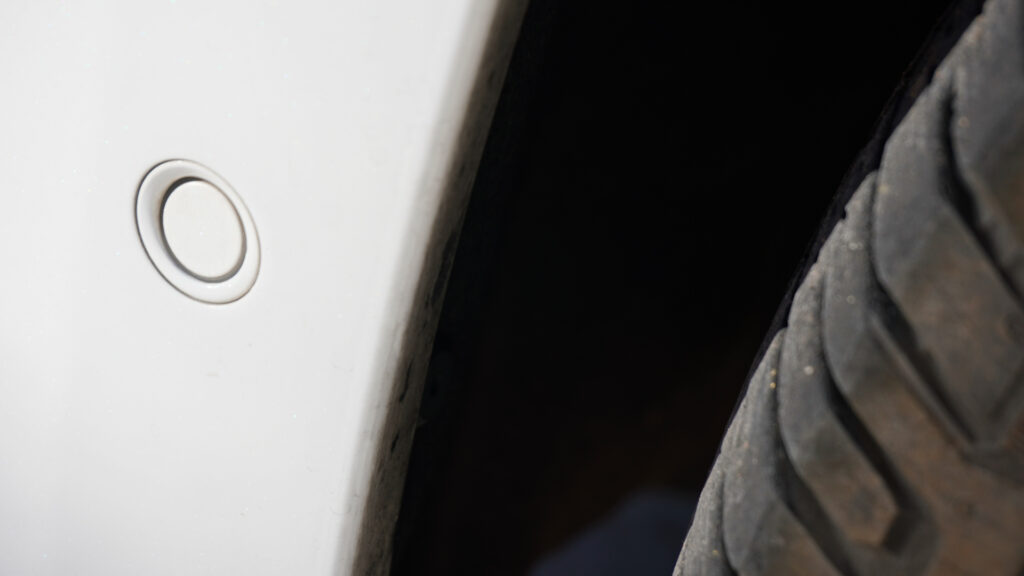
Automatic Emergency Braking can detect an impending collision and apply full braking force in the time it takes you to move your foot from the accelerator. Lane Keeping Assist makes constant micro-corrections to your steering. Blind Spot Monitoring watches the lanes beside you every second you’re on the road. Research from the Insurance Institute for Highway Safety shows that vehicles equipped with AEB have roughly fifty percent fewer rear-end collisions than those without.
But all of this depends on sensors that are precisely calibrated to your specific vehicle.
When Alignment Matters Most
ADAS calibration isn’t a one-time factory setting. These systems need recalibration after specific events, some obvious, others that might surprise you.
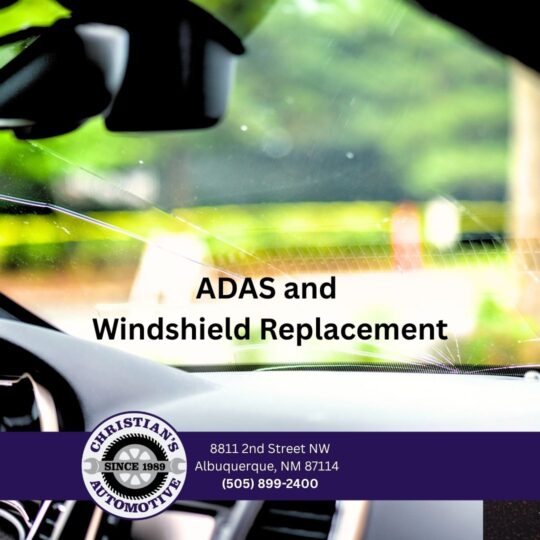
Windshield replacement is the most common trigger. That forward-facing camera behind your rearview mirror is mounted to the glass itself. Even a perfect installation changes the camera’s position relative to the road. A fraction-of-a-degree difference might not seem significant, but at highway speeds, a slight misalignment means the system is looking in the wrong place. Your lane departure warning might trigger too late, or not at all.
Any collision repair that affects bumpers, fenders, or structural components can shift sensor positions. Even minor parking lot impacts that seem cosmetic can knock radar sensors out of alignment. Suspension work and wheel alignments change your vehicle’s relationship to the road surface, which affects how sensors interpret their environment.
Here’s what catches most drivers off guard: you might not know anything is wrong. ADAS malfunctions don’t always illuminate warning lights. A system that’s slightly miscalibrated might still function, just not accurately. False alarms become more frequent, or critical warnings come a split-second too late. The technology you’re counting on for safety becomes unpredictable.
What Professional Calibration Looks Like
Proper ADAS calibration isn’t a quick scan with a code reader. It requires manufacturer-specified equipment, controlled conditions, and technicians trained in the specific procedures for each vehicle make and model.
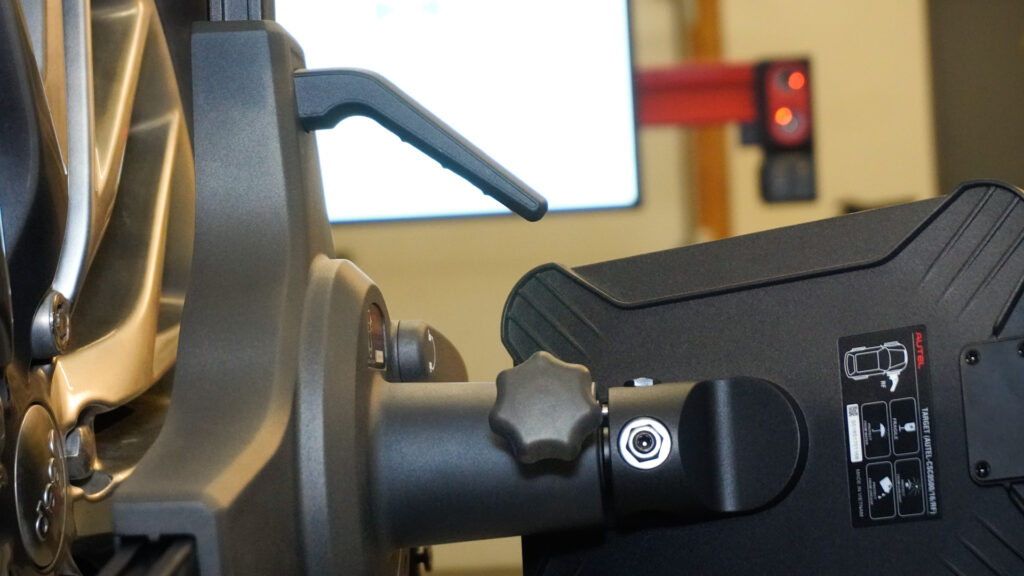
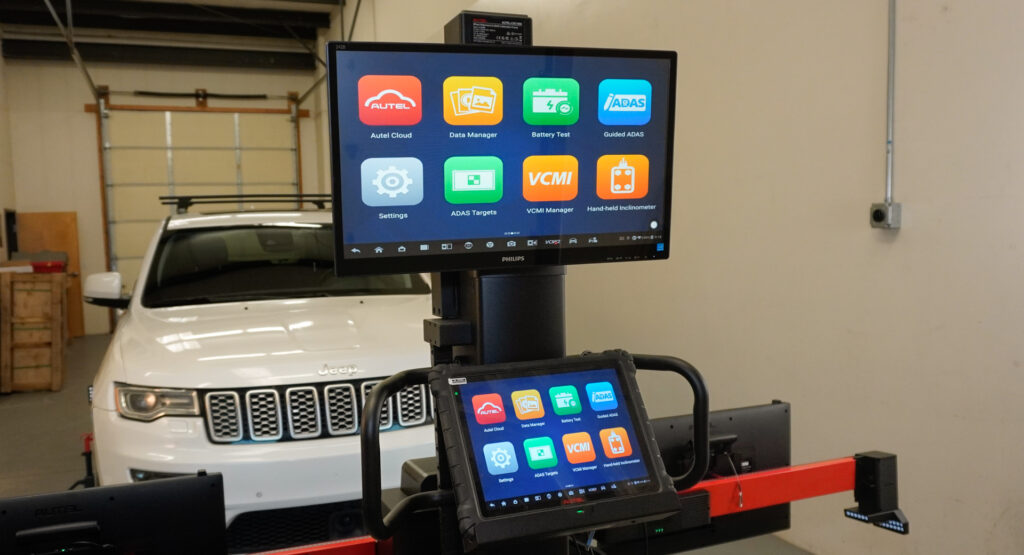
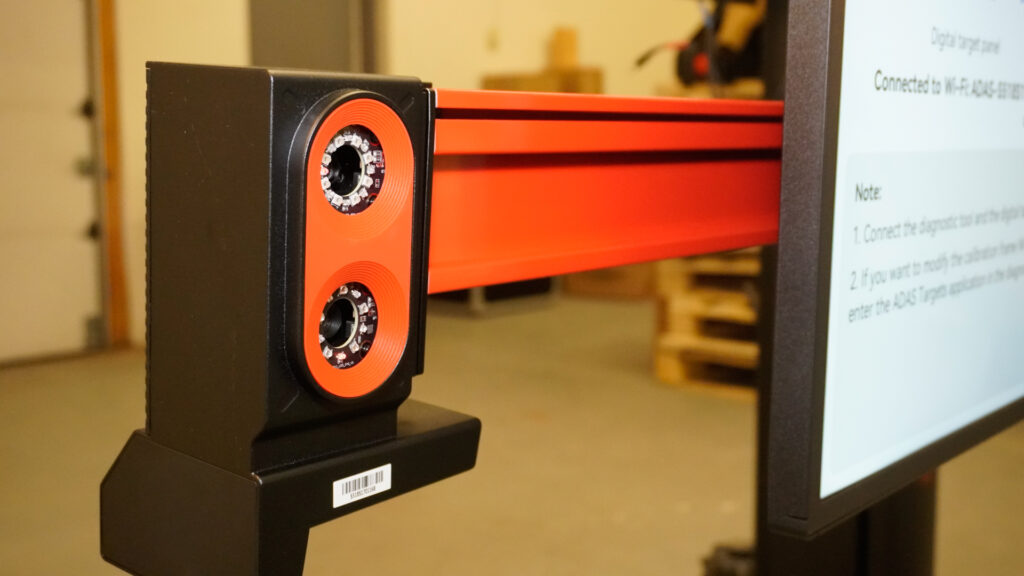
The process typically involves positioning precision targets at exact distances and angles from the vehicle, then using diagnostic software to recalibrate each sensor and camera to factory specifications. For forward-facing cameras, this often means a static calibration performed indoors with specialized target panels. Radar sensors may require dynamic calibration, a test drive on public roads following specific protocols.
At Christian’s Automotive, we’ve invested in Autel’s professional ADAS calibration system precisely because this technology has become essential to modern vehicle safety. When you bring your vehicle in after a windshield replacement, collision repair, or suspension work, we can verify that every safety system is operating as the manufacturer intended.
Making ADAS Part of Your Maintenance Mindset
We talk a lot about oil changes, brake inspections, and tire rotations, the visible maintenance that keeps vehicles running. ADAS calibration needs to become part of that conversation. Not because it’s frequent maintenance like an oil change, but because it’s critical maintenance after specific service events.
If you’ve had any of the following work performed and weren’t offered ADAS calibration, it’s worth having your systems checked: windshield replacement, front or rear bumper repairs, suspension component replacement, wheel alignment adjustment, or any body work following a collision.
And if your vehicle has been displaying intermittent ADAS warnings (lane departure alerts that seem random, parking sensors that trigger when nothing’s there, or adaptive cruise control that behaves erratically), calibration may resolve issues that seem like electronic gremlins.
The safety technology built into your vehicle represents some of the most significant advances in automotive engineering in decades. But like any precision system, it requires precision maintenance. That’s not something to trust to guesswork.
Questions about whether your vehicle needs ADAS calibration? The team at Christian’s Automotive can evaluate your systems and explain exactly what’s involved. Give us a call at (505) 899-2400 or stop by our shop at 8811 2nd Street NW. We’re always happy to help Albuquerque families stay safe on the road.